
Breaking the Silence: Raising an Autistic Son as an Afghan Mother
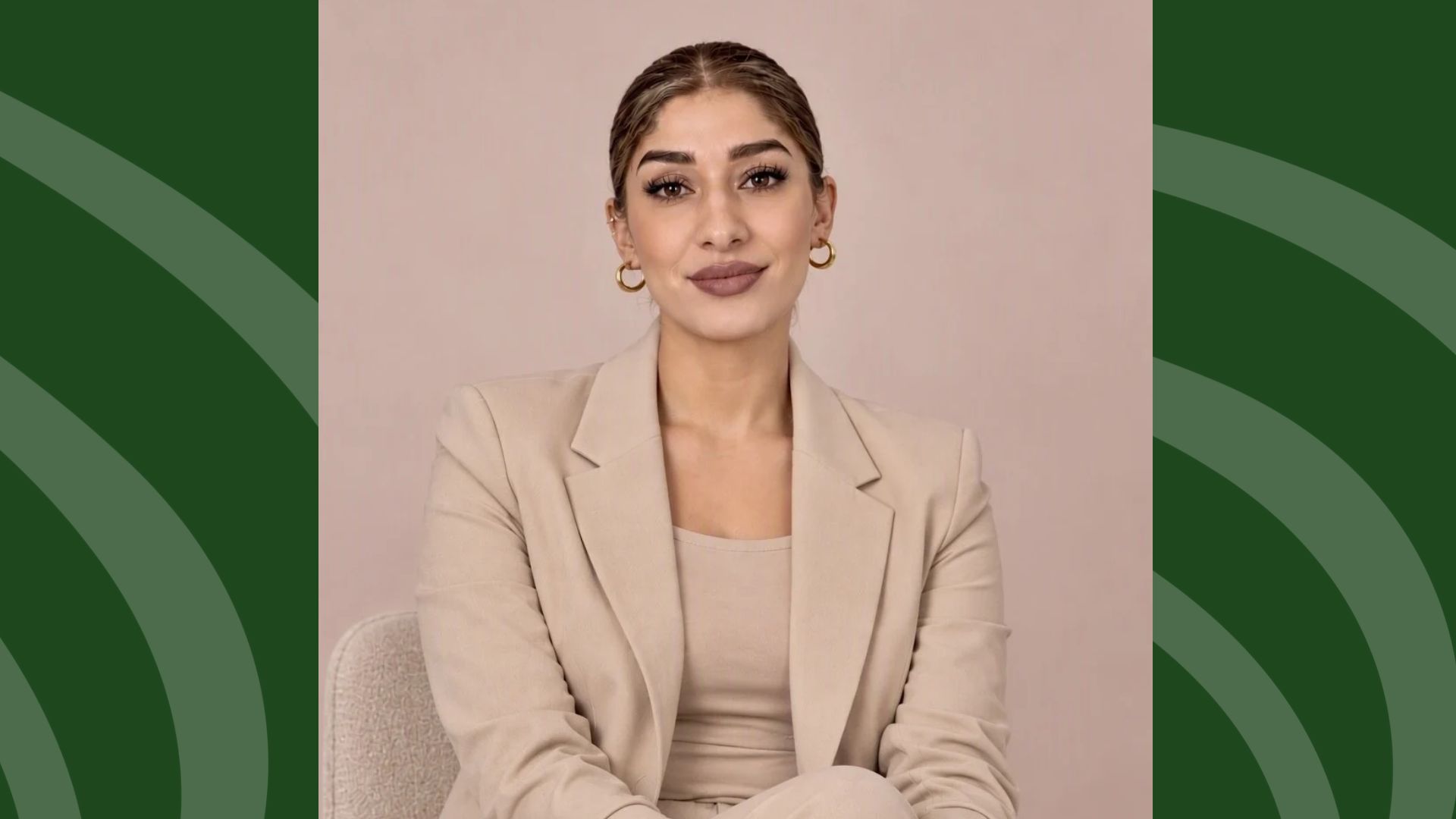
By Hilai Nasib (Freshta), HBSc, Psychology & Health Studies, Former TESL Professor, RBT Trainee

It was a summer evening at a large family celebration attended by more than 200 guests. The banquet hall was filled with loud music, bright lights, laughter, conversation and the aromas of traditional foods. While everyone else seemed to be enjoying the festivities, I spent the evening chasing after my two-year-old son while trying to meet social expectations. One moment I was preventing him from pulling down the cake table; the next, I was stopping him from tripping over the musician’s equipment. As the evening progressed, exhaustion set in and all I could think about was finding a way to escape.
The defining moment came when the music suddenly stopped, and an announcement echoed through the hall: “Please, whoever’s son this is, come and get him so I can continue singing.” The room erupted in laughter, followed by whispers and judgmental remarks about my parenting and my son’s behaviour. Overwhelmed by embarrassment and shame, I wished I could simply disappear.
The reality was that my son was neither misbehaved nor intentionally disruptive. He was an autistic child navigating an environment that was overwhelming and difficult to regulate. The challenge was further compounded by our decision to keep his diagnosis private. In trying to protect him from stigma, we remained silent. Ironically, that silence often left us more vulnerable to judgment.
Several years later, I attended another family gathering where I noticed an Afghan mother struggling with her child’s challenging behaviours while managing unsolicited advice and critical comments. Watching her brought back vivid memories of my own experience. I recognized the exhaustion, anxiety and emotional burden she carried. As I closely observed, I noticed early signs and red flags of autism in that young Afghan boy. I wondered whether that Afghan mother, too, was hiding a diagnosis or still searching for answers. Regardless, the moment highlighted a broader reality: many Afghan families continue to navigate neurodiversity and developmental disabilities in isolation due to stigma, shame, cultural misconceptions and limited awareness.
That experience served as a wake-up call. It led me to ask: How long should Afghan autism families continue to hide? How long should we suffer in silence and navigate this journey alone?
Motivated by these questions, I began sharing our family’s autism journey on Instagram through Fresh Soul. My goal was simply to tell our story and connect with others. To my surprise, I found fewer than five other Afghan mothers openly discussing autism. Like me, they were committed to challenging stigma and increasing awareness within our communities.
As I continued sharing, I received private messages from Afghan autism parents across different cities and countries. Many described feeling isolated and misunderstood, while others admitted they had never spoken openly about their child’s diagnosis before. Their stories revealed the urgent need for a safe space where families could discuss autism without fear of judgment.
In response, I founded Afghan Autism Parenting Journey, an initiative dedicated to amplifying the voices of Afghan families affected by autism. Through parent stories and professional perspectives, the platform seeks to increase autism awareness, foster acceptance, and promote inclusion within Afghan communities.
As part of this work, I am currently conducting a survey to better understand the experiences of Afghans affected by autism. Although data collection is still ongoing, responses have already highlighted recurring themes of stigma, social isolation, misunderstanding, and limited access to culturally relevant resources. Many describe feeling pressured to hide diagnoses because of fear of judgment within their communities.
My hope for the future is that no Afghan parent will feel compelled to hide their child’s autism diagnosis as a form of protection. I envision Afghan communities where autism is met with understanding instead of judgment, support instead of shame, and inclusion instead of exclusion.
Ultimately, meaningful change begins with awareness, and awareness begins with conversation. By sharing our stories and creating spaces for dialogue, we can challenge autism misconceptions, reduce stigma, and build more inclusive Afghan communities. While much work remains to be done, I remain hopeful that future generations of Afghan autism families will no longer have to walk this journey alone.


Comments